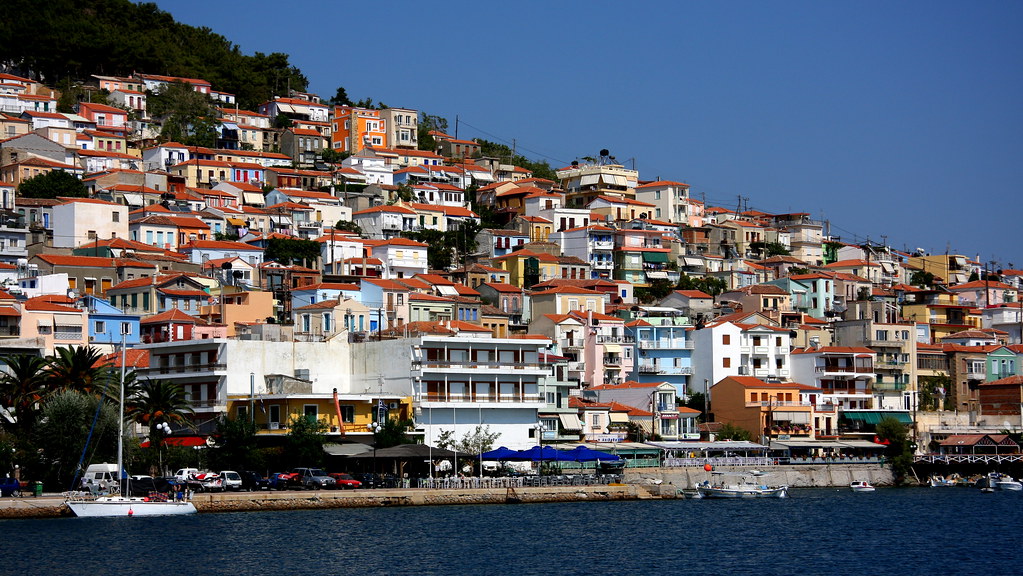
Lesvos
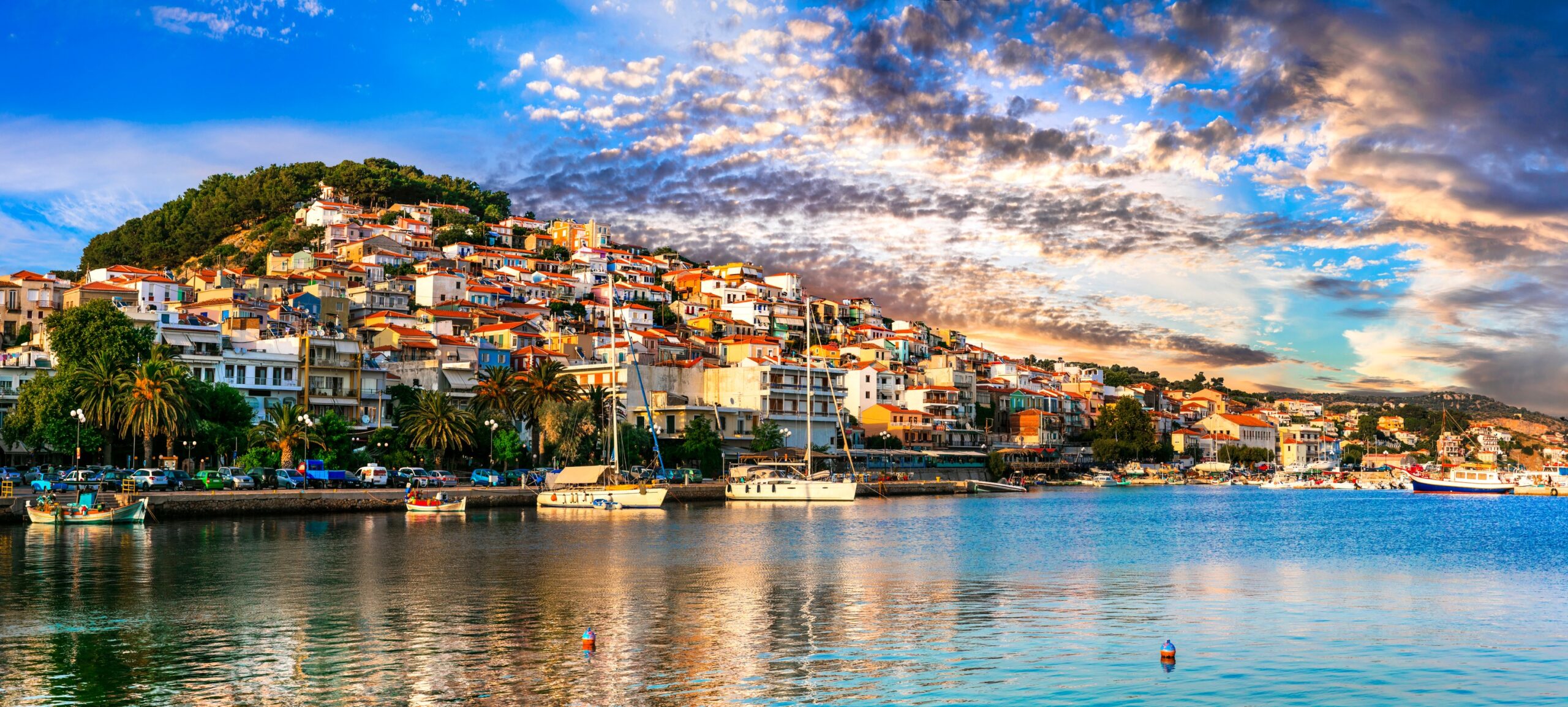
Lesvos – An island rich in nature, aroma, and life
Lesvos is more than “just an island”; it is a natural wonder of the Eastern Mediterranean. Covering over 1,600 square kilometers, it is the third-largest island in Greece and hosts a rare variety of landscapes and ecosystems: olive groves stretching to the horizon, forests of pine and chestnut, volcanic rock formations and hot springs, as well as salt marshes, wetlands, and beaches of wild beauty.
Its mild Mediterranean climate—with generally soft winters, warm and dry summers, and abundant sunshine almost all year round—makes Lesvos ideal for cultivating resilient plants with high-quality characteristics. The winter rains enrich the soil, while the summer northern winds (meltemia) protect the land from excessive drought.
The island’s biodiversity is exceptionally rich: more than 1,400 plant species have been recorded, many of which are endemic or rare. Lesvos is also an important stopover for migratory birds and is home to protected wildlife species. It is no coincidence that UNESCO has included it in the Global Geoparks Network due to its unique geological and natural heritage.
This diversity is also reflected in its products: fruity olive oil with rich aromas, honey from wildflowers and herbs—especially thyme—traditional-recipe jams, and herbs that embody the character of the island.
Lesvos doesn’t just offer flavor. It offers history, culture, and a natural environment that is authentic and vibrant—a blessed land that respects and honors everything it produces.